Understanding the electrical "nervous system" of your car is essential for everything from simple DIY repairs to installing high-end aftermarket accessories. While modern vehicles contain miles of circuitry, most systems follow a fundamental color-coding logic to ensure safety and functionality.
Based on standard technical specifications used in many automotive applications, here is a breakdown of the primary wiring color codes and their specific roles within your vehicle's electrical grid.
Core Wiring Color Specifications
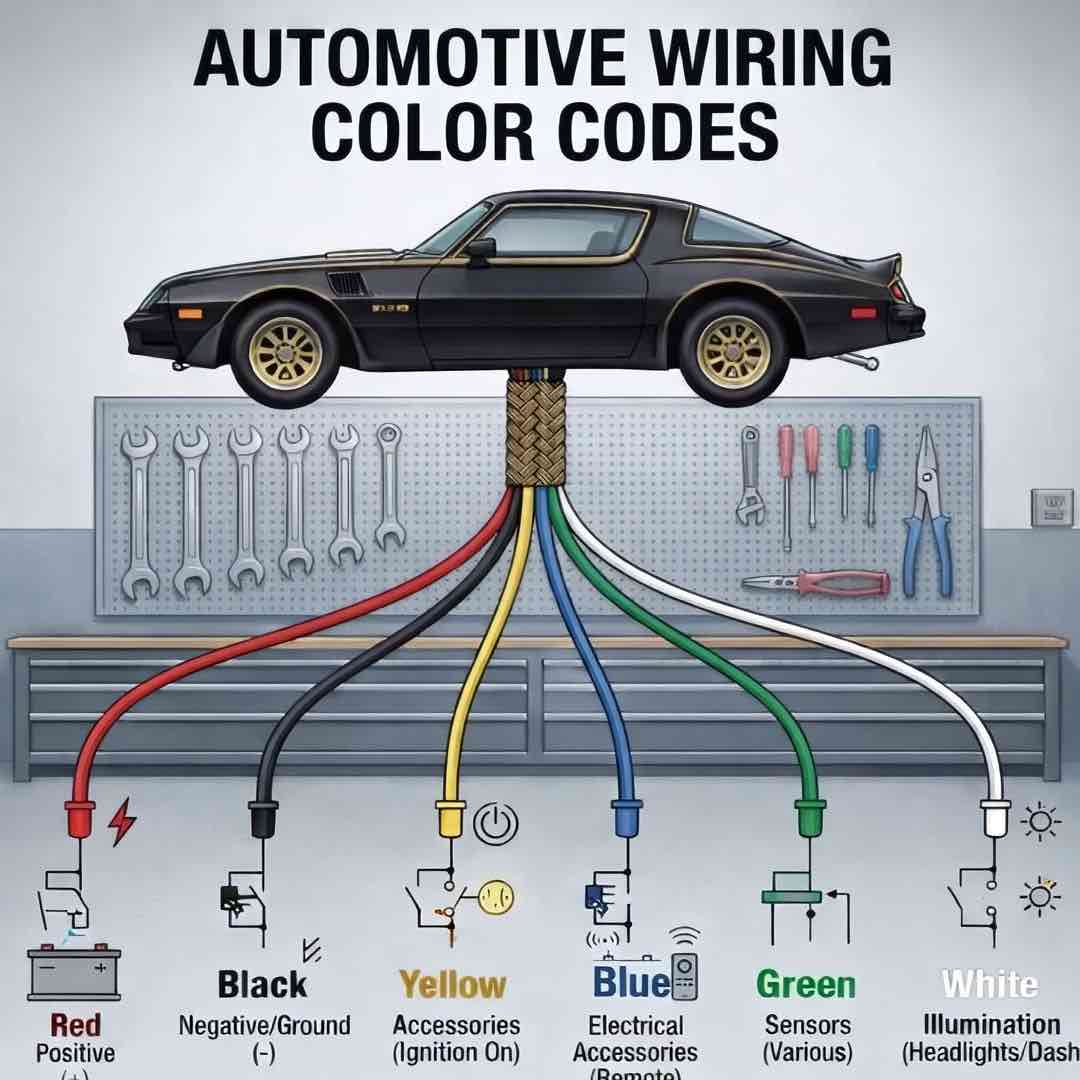
1. Red: The Power Source (Positive +)
The Red wire is the primary lifeline of the electrical system. It carries a constant positive charge directly from the battery.
-
Function: Delivers 12V power to the main fuse box and high-draw components.
-
Technical Note: This wire is "always hot," meaning it carries current even when the engine is off.
2. Black: The Return Path (Negative/Ground -)
The Black wire completes the circuit by connecting components to the vehicle's chassis or the negative battery terminal.
-
Function: Provides the necessary grounding to prevent electrical shorts and ensure component operation.
-
Technical Note: A poor ground connection is the leading cause of "ghost" electrical issues in cars.
3. Yellow: Switched Power (Accessories/Ignition On)
The Yellow wire is typically designated for accessories that require power only when the ignition is in the "On" or "Acc" position.
-
Function: Powers systems like the radio, infotainment, and internal accessory sockets.
-
Technical Note: This prevents the battery from draining when the vehicle is parked.
4. Blue: Electrical Accessories (Remote Trigger)
The Blue wire often serves as a "remote" or signal wire for secondary electrical components.
-
Function: Commonly used to "wake up" external amplifiers, power antennas, or specialized aftermarket relays.
-
Technical Note: It carries a low-amperage signal to trigger a larger power source.
5. Green: Data & Feedback (Sensors)
The Green wire is frequently utilized for the various sensors that monitor the vehicle's performance.
-
Function: Transmits data from oxygen sensors, coolant temperature sensors, or throttle position sensors to the Engine Control Unit (ECU).
-
Technical Note: Because these carry sensitive data signals, they are often shielded to prevent interference.
6. White: Visibility & Signaling (Illumination)
The White wire is generally dedicated to the vehicle's lighting systems.
-
Function: Manages the activation of headlights, dashboard illumination, and instrument cluster backlighting.
-
Technical Note: This wire is often tied to the dimmer switch to control interior light intensity.
Summary Table: Quick Reference Guide
| Wire Color | Type | Primary Function |
| Red | Positive (+) | Direct Battery Power (Constant) |
| Black | Negative (-) | Ground / Circuit Completion |
| Yellow | Accessories | Switched Power (Ignition Activated) |
| Blue | Remote | Secondary Electrical Triggers |
| Green | Sensors | Signal Transmission / Data Feedback |
| White | Illumination | Headlights / Dashboard Lighting |
Technical Safety Best Practices
Before performing any work on your vehicle's wiring, always adhere to these professional standards:
-
Disconnect the Battery: Always remove the negative (Black) cable from the battery before touching any Red or Yellow wires to prevent accidental shorts.
-
Use a Multimeter: Never assume a wire's function based on color alone. Use a multimeter to verify voltage and continuity.
-
Standardization Warning: While these codes are common in many aftermarket kits and general guides, specific manufacturers (like Toyota, BMW, or Ford) may use proprietary color schemes. Always consult your specific vehicle's service manual for OEM repairs.
Are you planning to install a specific accessory, like a new stereo or a dashcam, that requires tapping into these wires?


Comments
Post a Comment